

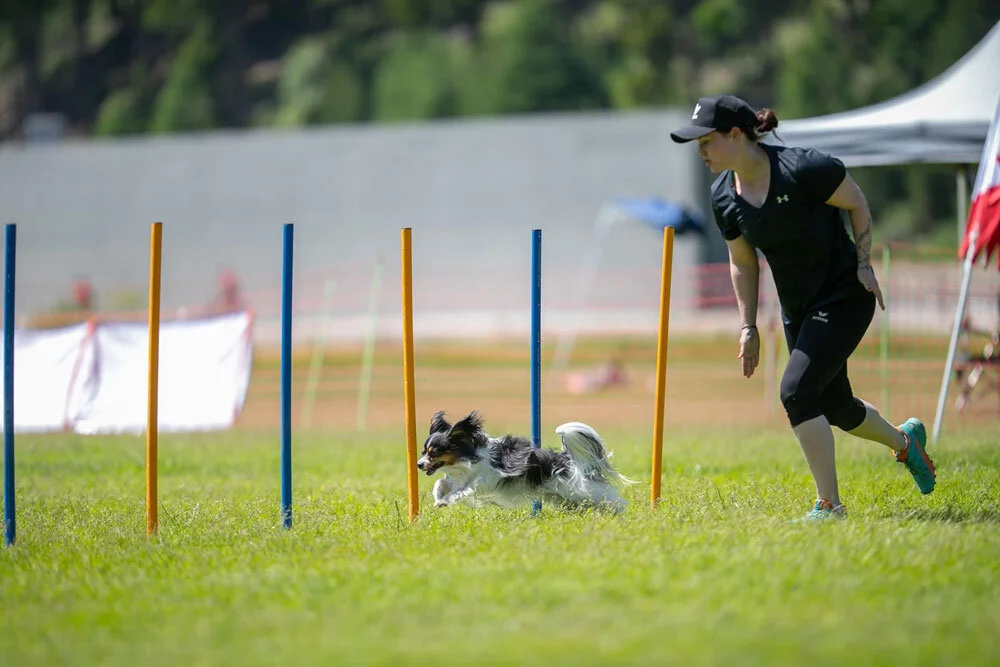
Michelle Burri is a great international level handler and coach from Switzerland. She has often brought up the need for an individual approach in dog training, so we decided to pick her brain about it. After all, our dogs and us are all individuals, so we can all learn something valuable from Michelle.
“We are all individuals and also our strengths and weaknesses are often very different. Despite group training, I always encourage and support the teams individually. And here we need to consider both the individuality of the dog AND the individuality of the handler. No dog or human works or learns the same way. This is exactly what I love so much about coaching. And, I do the same with my own dogs. My dogs get individual training. In my opinion, that is what makes agility so exciting. Each team reaches the desired result in different ways.”
Each team reaches the desired result in different ways.
Michelle says that it has been the progress of her students that has lead her to realize the importance of an individual approach: “The more I have customized my training and focus, the faster their progress. Most of the time they all train the same exercises, but with different tasks or focuses.”
Another factor that has changed Michelle’s point of view has been her dogs: “I had to completely change and rethink my own training when I started to build up my sheltie Cap. He's so different from Blaze, my papillon, both physically and character-wise. I was able to learn so many new things!
I had to completely change and rethink my own training when I started to build up my sheltie Cap
The risks of neglecting individual training
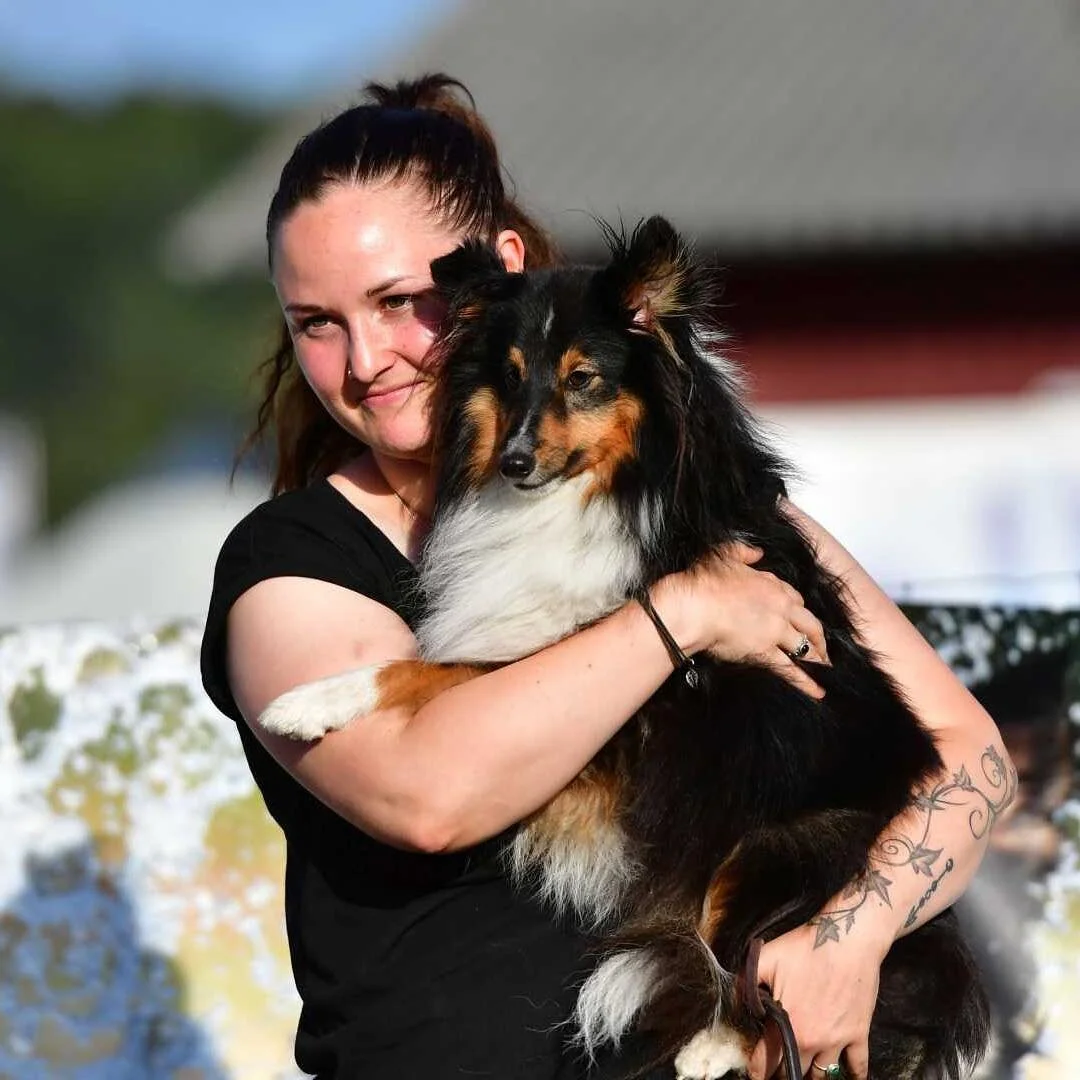
Michelle sees great risks in neglecting the individual approach in agility training: “If individuality isn’t considered, the teams stand still and progress is not made. I see a lot of it and it can happen both in group training and with a team which always trains alone. This has happened to me as well.”
“I like to use different coaches to give me a new perspective. It is also a challenge to keep your eyes open, so that you keep seeing the individual needs both of the handler and the dog. You have to push yourself not to fall into an old routine. Keep on working on yourself and your training methods, and also, dare to question them from time to time. Does this now make sense for this dog or this team? Are there newer, clearer and better methods for the dog or for this handler? In my opinion, continuous training is a very important point for both handlers and trainers.”
Top 5 tips for taking the individual needs of the dog into consideration?
Make sure you motivate your dog and convey joy in the best possible way for THAT dog. This does not have to be the same as with your other dog or your friend’s dog. In my opinion, every dog has his own preferences when it comes to motivators. It can be, for example, different toys, treats or tones of voice. There are so many ways to motivate a dog.
Know how your dog learns best and fastest. In my opinion, this way you avoid mistakes. The fewer mistakes a dog makes, the more often he does what he is asked to do correctly. The faster he develops a routine for what is required of him, the more secure and self-confident he becomes.
Adjust the exercises to the respective dog and its needs. Record them in each case.
Reflect on your training afterwards. Have you learnt anything today? What can you do better next time? Here videos are very helpful.
Try to accept new methods: try them out and then decide whether they suit you and your dog. If I do not try it, I do not get further. Therefore I always push myself forward and never stop learning.
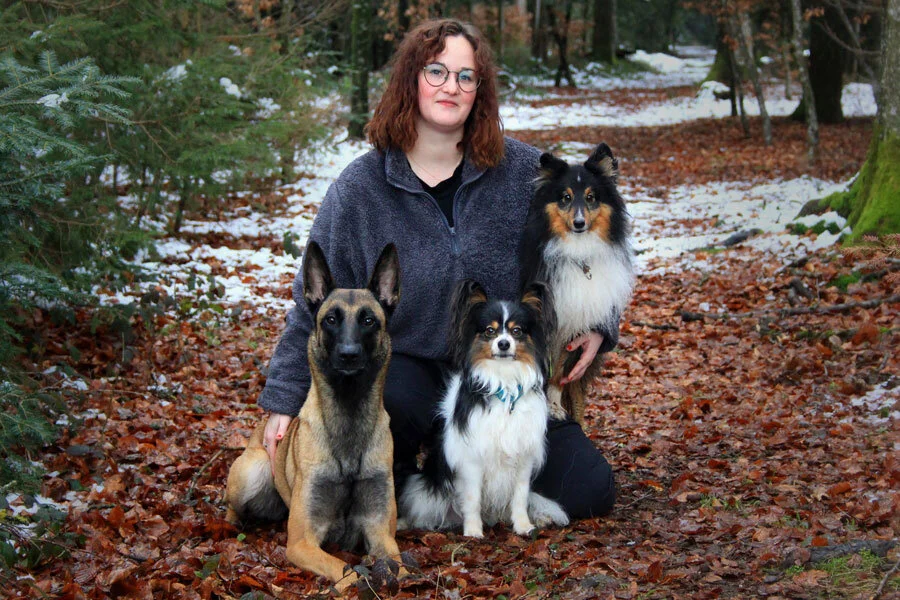
Top 5 tips for taking the individual needs of the handler into consideration
Constantly educate yourself further. Watch videos, attend seminars and online courses.
Know your strengths, try to maintain them and use them in a goal-oriented way.
Know your weaknesses. Accept them, but try to transform them more and more into strengths.
Try new handling styles. What is new? Does this also suit you?
Focus on yourself. You don't have to be as good as your training partners, other competitors or your idol at everything. Train and take notes for you and your dog alone. But view other handlers as an incentive to become better.
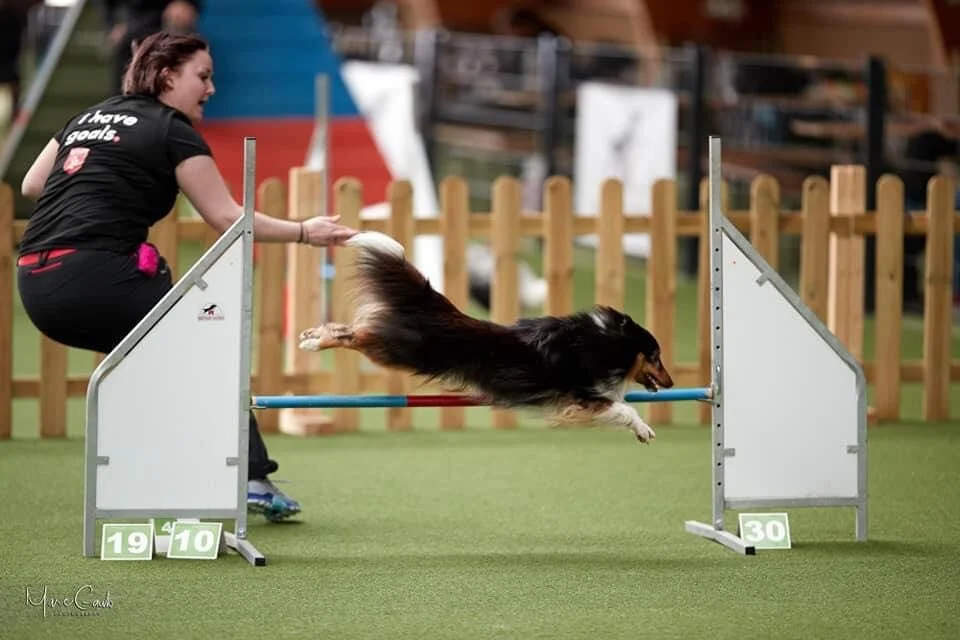
Top 5 tips to become a better coach
What can you do to motivate your students best and convey joy? Different motivators drive different handlers.
Know how your student learns best and fastest. In my opinion this way you avoid mistakes. The less mistakes a handler makes, the more often s/he does what is required of him or her correctly. The faster s/he develops a routine for what is required of him or her, the more secure and self-confident s/he becomes.
Adjust the exercises to the respective student and his needs. Record them in each case.
Reflect your training in retrospect. Have your students and their dogs learnt anything today? What can you do better next time? Keep a diary for each team.
Always try to motivate your students to accept new things: To try them out and then decide whether they suit them. If they do not try, they do not go forward. Therefore always push them to never stop!
Write down your analysis to your AgiNotes! Register for free. No time limit for the free version :)